When web 2.0 became the norm, the about of misinformation grew a lot. The more the people were able to write anything without getting embarrassed of being proven wrong, the more the misinformation started coming out. Over time I started learning on how to assign weightage to what I read and have a small set of trusted sources, then I was able to navigate misinformation well. The flood of forwards in then email and now whatsapp which often looked true often have failed even reputed news agencies.
An example of such a forward was the ‘O-Yes’ operating system that circulated in the late 90s. Every college internal magazine’s editors fell for this forward and featured it in their magazines. Even now, Google search’s AI overview lists part of the email as the OS features without debunking it is as a myth. I fought really hard to disprove it during my college days and ended up with a lot of wasted effort as it still got published.
This is called Brandolini’s law, the amount of energy that is required to refute misinformation is orders of magnitude larger than the effort needed to create it. There are another class of problems where if you fight misinformation then you are at the risk of losing your membership/status in the community. For a very long time in India, you cannot tender 10 rupee coins as people formed an opinion that they are fake.
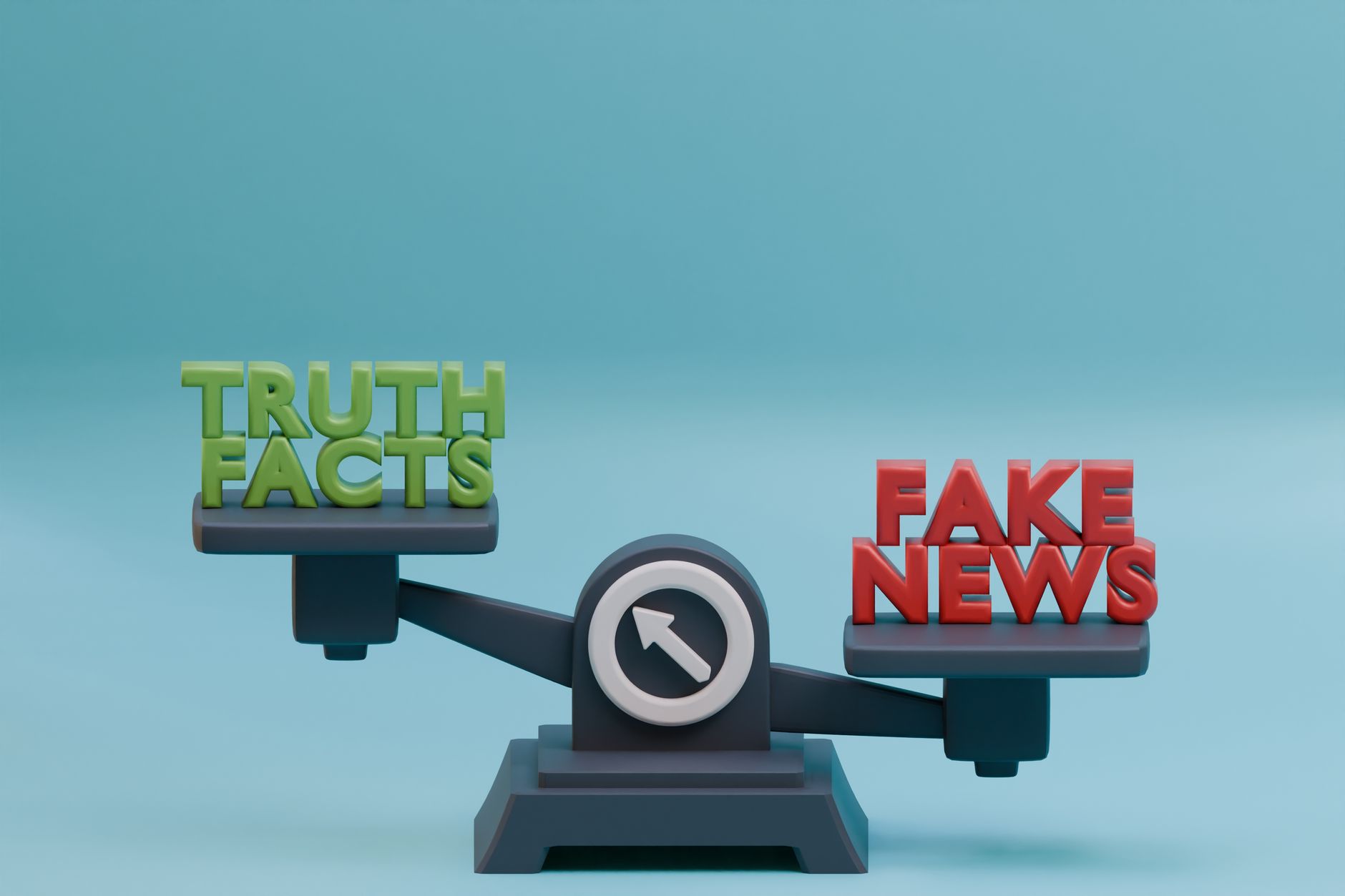
The more you are engaged in rapidly evolving landscapes, the more you stumble on this problem. With Gen AI, we are even more hit with misinformation that seems very close being treated as real information. The tool is available to the masses, yet there are fewer individuals who can prove/disprove. False experts, an offshoot of advanced beginners are on the rise due to these tools.
Before Gen AI, whenever I used to interact with the executives, I could sense that the tone of conversation is to understand about problems and solutions deeper. Nowadays I observe a marked shift in the tone towards “oh, I know this stuff, tell me something I do not know yet”.
One solution that often works for me, is to ask for the source of the claim or statement. People struggle a lot to admit what they gained without understanding the source. Questioning the source often works in a live setting where you are either in a meeting, 1-on-1 conversations or talk event like round table. In high stakes conversation, I go with ‘I agree’ and say where it may work and then follow up with why it does not work everywhere else. Due to the effort asymmetry, it is necessary to reserve the strength to confront only the ones that are absolutely necessary.


