During my school holidays, I used to visit my hometown and also the nearby villages. In the 80s and early 90s farms were dominated by use of animals for transport, ploughing, milling etc. I used to jokingly refer to as being in a self driving car as the bulls when leaving the farm will always go by default to the home without anyone controlling them. On narrow roads, the bulls drag the cart to the side and give way for the oncoming traffic.
Human and animal power was so intertwined in the life that when mopeds and tractors became affordable and available, a few people started switching to it once they gave a try and saw the promise. Mopeds helped to ferry small loads very far and frequently, helped supply on demand mobility. Tractor’s raw power was visible when it was able to till big swathes of land in the first of half of the day.
It was a dream to adopt technology and reap the benefits, but it was often short-lived. A majority of the village population lived a cycle of food – work – entertainment until they became too ill. They visited a doc only when major ailments arise, often getting very late treatment for preventable diseases. This mindset went into use of vehicles. No one cared to do pre-emptive maintenance, rampant misuse of kerosene as fuel because it was cheaper due to rationing.
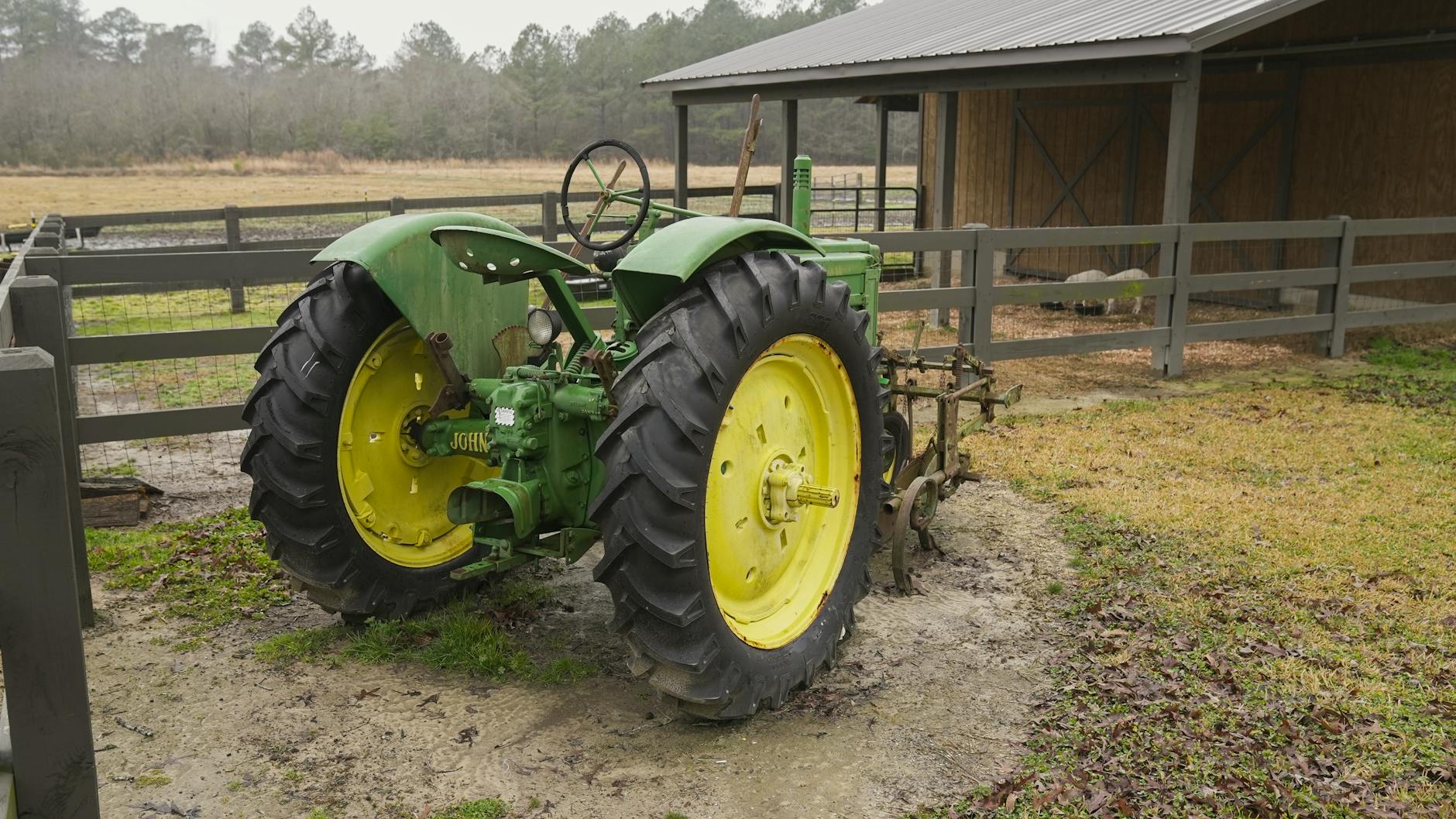
When I visited a farm one summer, I noticed a tv program on how to get the best out of your tractor and a few people watching very eagerly. The tips were simple, it was educating on using the right gears. A good portion of them were selecting a high gear and keeping it that way instead of starting low and shifting up when needed. A more shocking thing I learnt was on the maintenance, no one was informed enough that coolant, brake oil and engine oil needs change or topup. The list went on, not a single person in the village fixed their tractor until it ground to a halt just like how they were using animals on the farm. Using a tractor meant slowing down in many areas whereas it was supposed to speed up and ease things.
The next generation picked up these issues and fixed it; I thought that is it, until I visited a farm in Europe later that used tractors that had features like GPS navigation and auto steer for precise tilling and planting reducing a lot of human labour needed to take care of large farms. This came with an even steeper learning curve, but with far greater productivity. Technology isn’t usually additive like a telephone enabling anyone to make calls; it is sometimes a multiplier which requires the baseline capabilities to be higher to reap large benefits.


