One of my mentors, pointed out that I was gritty in making things happen but I should also watch out for willpower depletion as time flies by. That is the time he got me into systems thinking, every decision that we take in a day causes an imbalance and a build up of that causes decision fatigue.
I have written many times about this topic of habits vs goals. The reason I chose this today is because I complete 15 years streak of writing at least one blog post a month. Initially I started with a goal of 50 blogs a year, I achieved it but the learning was, it was super draining the moment I hit that milestone, it looked like I am pulling back the throttle. Why did I want to write so many blogs? I wanted to improve my articulation, I wanted to expose my knowledge to the outside world, I also wanted it to be a snapshot of my mind at that point of time. From my mentor’s inputs, I changed my mind from a big goal based mindset to a systems based mindset. I went to a sustainable streak with a micro goal of a blog a month instead of x blogs a year.
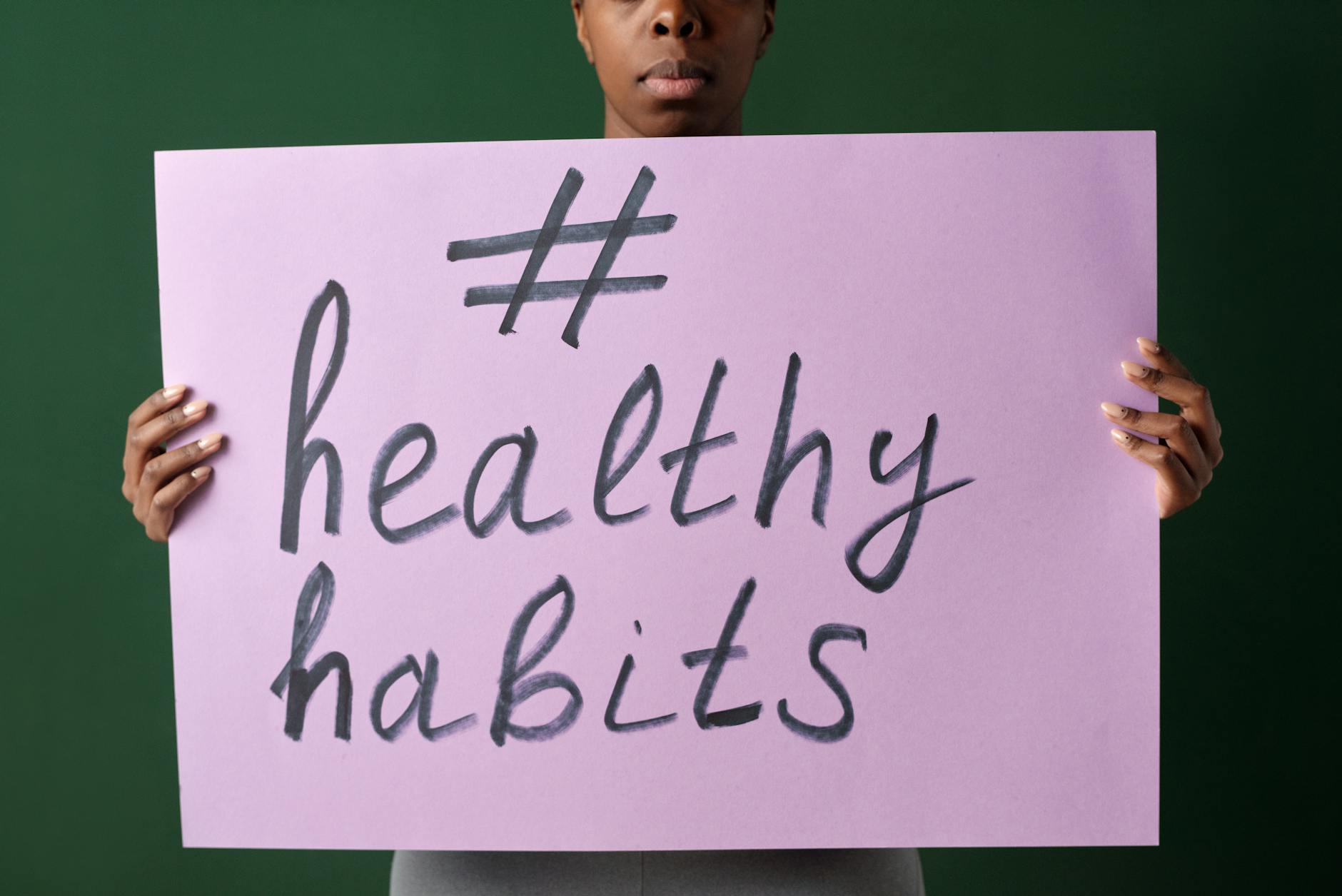
I was able to apply this to a lot of other areas at work and life; especially when the change is transformative, it looks daunting and takes a heroic effort to get there. Mentor, coaches, veterans were the key people to help me break down big goals into systems and habits. A very good example was when I turned 30, I was going down the path of abdominal obesity, I gained 3 sizes very rapidly. I tried doing many things like swimming, walking and nothing worked. No amount of reading up and trying different things turned useful. I ended up talking to a sports physio who drew a plan not for the goal of getting to normal BMI and waist but healthy eating and regular exercise.
He told me, that I will regress and go back to my old ways if I just workout heavily and bring things back to normal. A diet plan consisting of normal south indian non veg food, with occasional allowances of indulgence. The dietician told me that your willpower will get exhausted if you don’t treat yourselves sometimes so take a decision like “I will eat only one dessert a week”. Also the dietician ingrained one strong message – “You cannot outrun a bad diet with heavy exercise”. The change in habits took a month or so but I have been able to keep up the right BMI and waist size for years now.
If you are pursuing something big, always get some help from a veteran in that field and break it down to small sustainable habits instead of taking a resolution and going towards it from the word get go. Always remember that will power fades away, reduce decisions to be taken and convert them to habits.


 Novi's