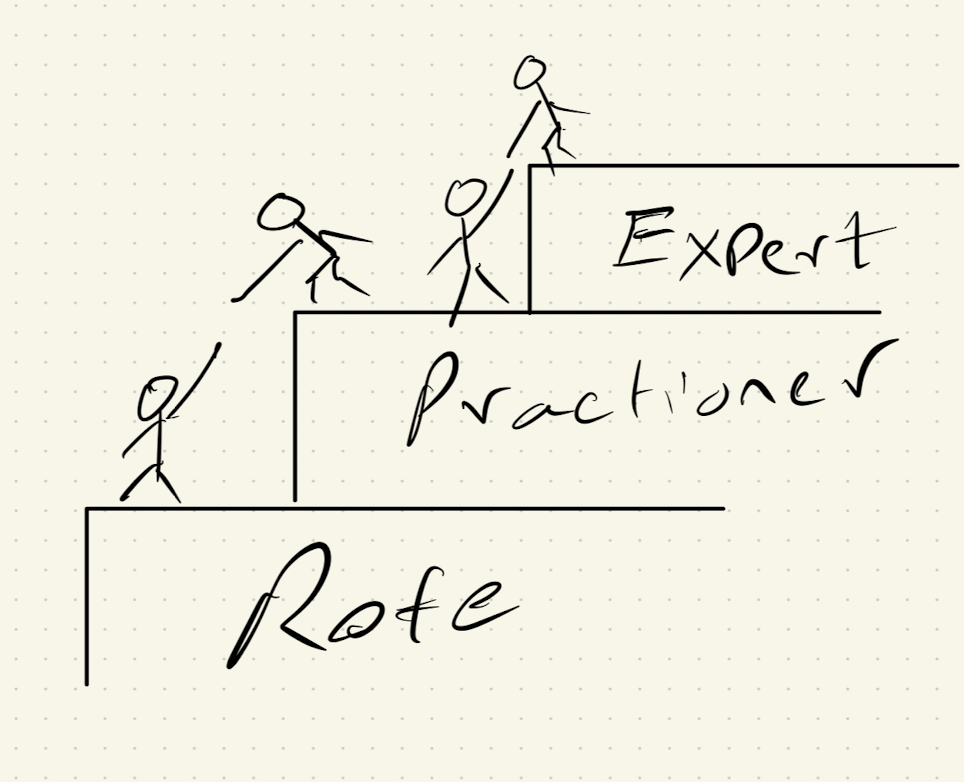
I come across a lot of people who proudly claim that “I am a process person” and say processes are nothing but practices that are standardised. With more and more people coming into software management after a 3 day course to claim themselves as a master in managing software development, the more cargo cult processes come to dominate the industry.

Processes are necessary and they bring a predictable output for a given set of static conditions. It is useful for working on predictable items like visa applications, pasteurising milk, preserving food, approving loans etc on a scale. Practices on the other hand deal with dynamic systems, it is like the race drivers going for a track sighting before the race or the chefs using only simple english to talk to their cooks. Practices are negotiable, it is backed with a value and intent and requires discipline to get it followed while processes are non negotiable and usually enforced through a compliance mechanism.

Photo by Ellie Burgin on Pexels.com

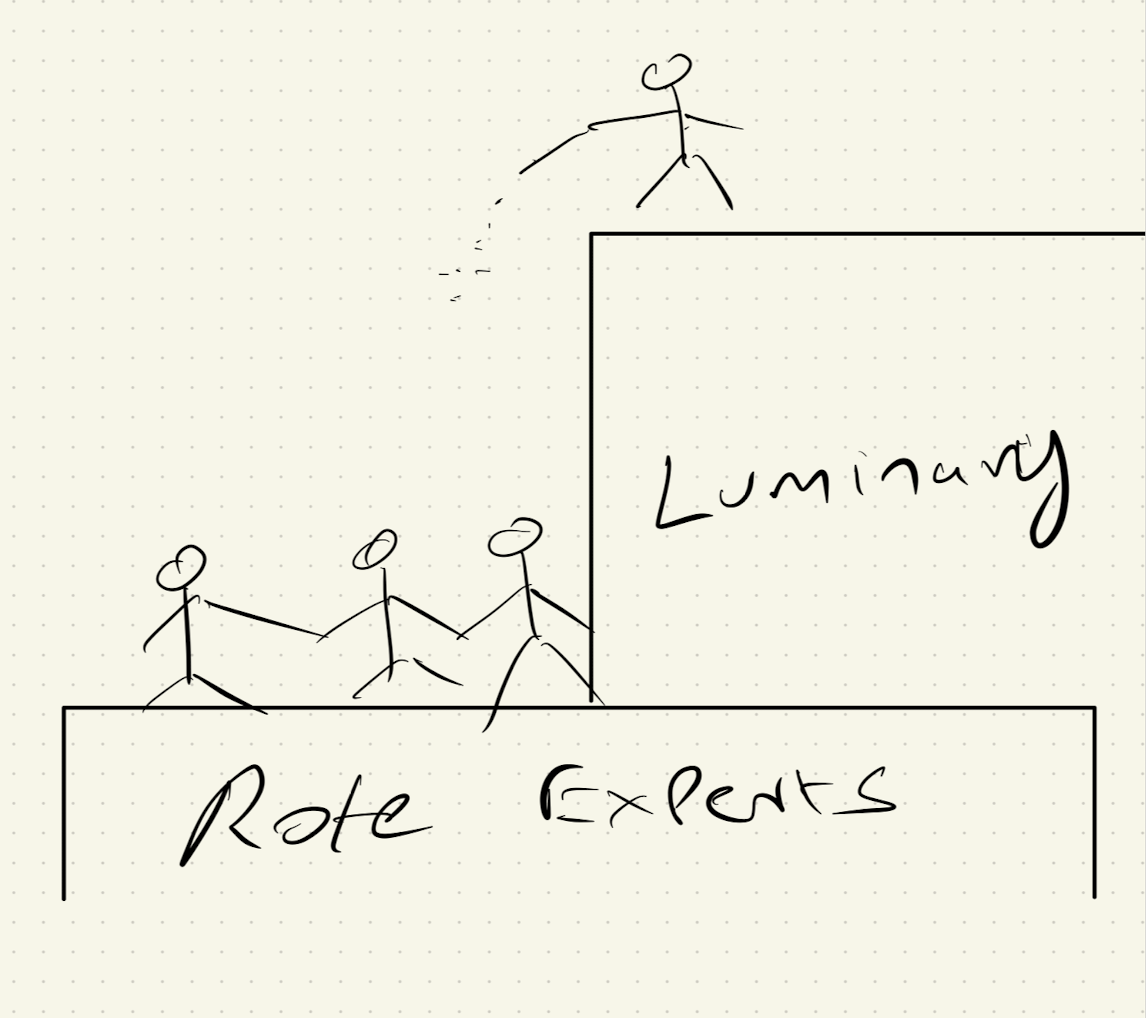
Processes are helpful as an abstraction, when the person following the process does not worry about what they are doing as long as they are compliant. A good example in the cooking space is the difference between a cook in a fast food chain’s kitchen vs a cook in a fine dining restaurant. The fast food chain cook will always set the oil temperature to the exact specified temperature, fry the pre cut potatoes (which were cut to certain specifications) for the exact amount of seconds prescribed and put it out on the plate. This can be done by cooks with zero knowledge of cooking (easy to train and staff), if something goes wrong or any step in the process has been missed, then you have run into a mess. If the potatoes are of a different cultivar, the production stops. There is no resilience but it is incredibly efficient.

On the contrary a cook in the fine dining restaurant may have a set of practices like waiting for the oil to come to near smoke point, test frying a piece of potato for tasting it, then adjusting the cut sizes if required to perfect the fry before serving the meal. There is so much of resilience but it is inefficient compared to the fast food chain. You also need very capable and knowledgeable people.

Both processes and practices have their respective places, it is trouble when people use it interchangeably in software development. Majority of the development related tasks need sound practices based by value and intent in place. If a practice is not feasible, replace with another which will help realise the value. If clean code has to be ensured, a process person will put a detailed code review process in place with hierarchy of responsibilities and often keep code under lock and key. A person who is keen on the intent and value of code reviews will come up with many different practices like integrating lint and static checks in IDE, pre commit and pre push hooks to catch obvious guideline deviations early, mob reviews once in a while and spot refactoring etc. Each of the practices are negotiable and interchangeable as long as the value and intent remains the same.

The fast food chain approach does not work for all aspects of software development. Processes expect many things to be static and developers need not know the big picture. Processes require work that can be broken down, carried without knowledge from other parts and can be assembled later. Instead in reality there is so much of interaction between broken down work and you need developers who are well skilled in both communication and technology to get the job done in a dynamic landscape, along with the big picture. Practices are not processes.

The sudden buzz in the AI field and the predictions of what it can do has been a storm in the recent days. The news which carried most of the weightage was about replacing jobs currently held by humans by AI. This is a general trend in the capitalist societies, because the ones who could try on new tech is the one with the access and control to capital, who can hire either tech or labour.

So the conversations are about how to create a cheaper present and save capital instead of dreaming up newer future with the advancements. What job does a new technology disrupt? Different technologies disrupted different jobs over time, generally the one that is disrupted has been a hard to learn skill. Before the emails, and messaging became ubiquitous; a career as a typist made a lot of sense. That job quickly became redundant with word processors giving formatting & correcting abilities which encouraged a lot of DIY.

I have a personal example when I was a billboard maker during my college days. We were reliant on artists for painting billboards and getting their time and negotiating the rates were quite difficult. Within a span of a year or two I witnessed computers becoming very cheap and desktop publishing becoming more common. All of a sudden we were able to DIY entire design in a PC, get feedback from customer and quickly iterate, deliver it in a record amount of time compared to hand painted billboards.

Photo by Pavel Danilyuk on Pexels.com

The crux of disruptions have always been DIY or cheap automation. If we see from that point of view, what executives are dreaming of a cheaper present in the software industry by replacing programmers with AI is not feasible, instead it is the other way around. Programmers are mere translators of business solution into what a computer can understand. Even with AI, executives won’t be having the patience or the skill to get the AI to understand and solve their business problems through technical solutions. Using AI will either become a higher order programming or augmentation to programming in the near term.

On the other hand AI will provide abilities of a CFO, CEO, COO and other executives in a cost effective, time efficient way to a board or a young inexperienced executive, who can compete so easily with veteran executives by teaming up with AI. It is this position that is under risk due to AI than the run of the mill programming jobs who just needs to skill up on how to team up with AI or equip AI. That is the new future we are heading towards.

My grandfather never borrowed for anything. His guiding lines for me were – Using borrowed money is like fuelling the fire using hay, it burns fast and gets consumed quickly but when we want to repay we will be paying in firewood for the same volume of hay which could have served us much more. Another mentor quoted a text when I wanted to buy a flashy car much in my early career – We buy things we don’t need, with money we don’t have, to impress people we don’t like.

Both those texts are my guiding lines for debt management now, but adopted it much later when I learnt it the hard way. Two of the biggest purchases in one’s life, a house and a car, often don’t stop at needs but end up as a status symbol. People love to show that they have arrived and achieved. In reality no house or car is big or luxurious enough over time. So people go all out and buy things that are not affordable. Loans were initially meant to lent out to people seeking business capital. Those were risky so banks turned to milk the retail borrowers – ‘us’. Affordable loans are oxymorons, if you are going for a loan to buy something then you cannot afford it.

Photo by Mikhail Nilov on Pexels.com

Negotiating for big purchases with cash in hand vs taking loans has a big difference. We are hard on our future selves but care for who we are today so the cash in hand looks heavier and hard earned while the loan repayments broken down over the months in the future looks small and affordable; inflating the overall demand and reducing the willingness to negotiate.

When we buy larger than our needs, we commit to a monthly outflow which we cannot afford to skip because it will bite back with more penalties. This is the single biggest factor which contributes to workplace stress; people put up with toxic work cultures, long working hours and bad bosses in the fear of losing the lifestyle they signed into.

On the contrary, if we save up for paying the big purchases we will negotiate hard with the money in hand, we will not be a victim to the need of hefty monthly payments, which gives the clarity of thoughts to take crucial career decisions. You can buy a dream house by SIP route within 7-8 years of saving the same money that we will be paying for 20 years for a home loan. Once I was in a car showroom where I observed a guy talking to the salesman for the model he wanted.

Salesman: Please let me know what is your monthly salary, I will let you know which car you will be sanctioned?

Buyer: I wanted the top end model, in that specific color and rims.

Salesman: In order to proceed I need to know your ability to pay month on month, I can work out the interest rates and tenure:

Buyer: Gives a cheque and says – Fill it with the price that you are offering that will make me sign and drive the car out.

The salesman was stumped and the buyer negotiated almost 10% off the vehicle.

Debts are for businesses to quickly turnaround profits and not for building assets over 20 year loans. Try the no debt strategy, this means you will have money in your account you don’t know what to do with. This is the first step in being financially resilient, there is no pressure to pay huge bills month on month. The next thing is to resist the urge to spend and build up moveable assets. More on subsequent posts.