When I once dined at my college hostel, one weird behaviour stood out. People will hurriedly eat their fried eggs right off the skillet from the live counter, sometimes sustaining burns in the mouth. It did not make sense for me until I witnessed a bully stealing the fried egg from another person’s plate while he was waiting for it to cool down. The food was billed in such a way that people have to pay extra for egg and non veg food, being students; every rupee saved is every rupee earned. So some students always bullied others by taking what is not theirs. To prevent this slowly a lot of people started eating it very hot off the skillet without enjoying their meal. This is Nash equilibrium, no one person alone can alter their behaviour to a pleasant one unless the entire group changes it.
A more simpler example, when in a concert if every one else is standing then there is no use to comfortably sit down and enjoy the concert unless every one else sits down. Standing gives a better view, at the expense of others and eventually every one stands up if not fixed earlier. In the prisoner’s dilemma defecting being the best choice unless both decide to co-operate together.
How does this relate to at the workplace?
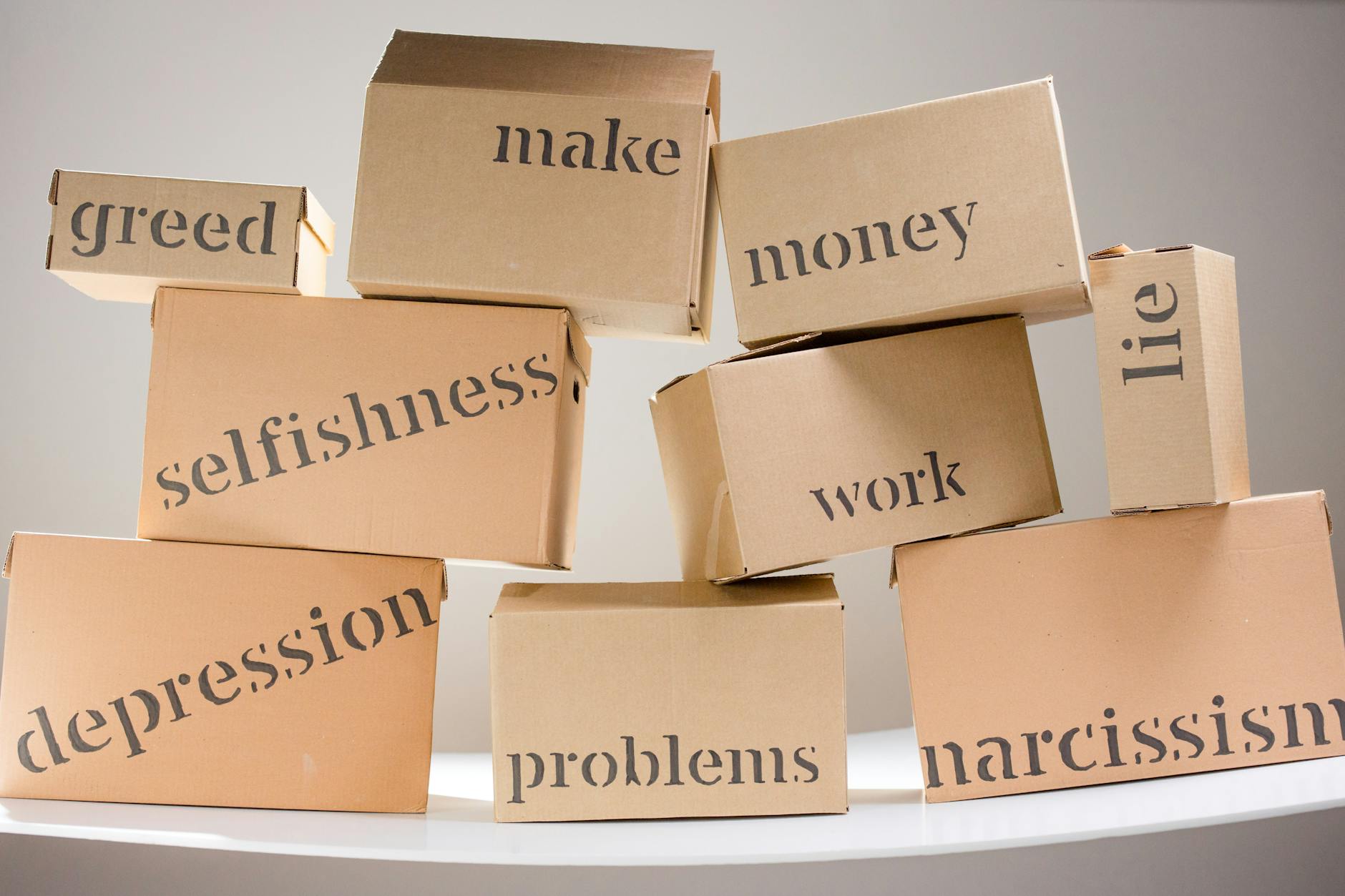
Many workplaces I have visited, I noticed there exists a hero/heroine culture. There would be a few people who were regarded as doing exceptional work; typically they stay very long hours, always available on call, too often will come up with shortcuts to get the job done. The rewards were also proportional, those who played hero/heroine often get rewarded with promotions and hikes which was sizeable compared to the rest who did not play that game. Eventually everyone in the team followed suit; arrived early, stayed late, became more greedy with credits, self-centered in a team setting.
This spirals quickly into a toxic culture and it is not possible for one person to fix without the rest acknowledging and agreeing to fix it. Whoever deviates from it, will soon face the brunt for not complying with the group. This equilibrium has terrible outcomes. It is stable, often detrimental to health leading to burnouts. Unless the leadership takes an action to fix this problem, it will remain stable for a long time. Too often, leadership would have emerged from this culture, making it self propagating.
Some of the leaders whom I interacted with were able to put a stop to it with simple measures. Rules like no calls scheduled after 7PM and before 9 AM local time worked wonders by forcing a lot to work within a time window. One of the leaders went to an extent to revisit this every fortnight at the retrospective to make sure collective growth and well being exists. Unless a sizeable group of individuals or a leader comes up and disrupts, it is very hard to get out of this equilibrium. If you spot this in your teams, try to break the chain and bring it to a better state. No change can be worse than staying at this state.

 Novi's